Key Considerations for Choosing an Underwater Treadmill and the Best Water Filtration System for the Faryal Underwater Treadmill
If you are planning to purchase an underwater treadmill for a physiotherapy clinic, a gym, or a private villa, the most important factor you should not overlook is the unit's water filtration and sterilization system. Among the various methods available—such as chlorine, ozone, and salt chlorination—modern global standards identify ozone-based filtration as the best choice for a luxury underwater treadmill, as it sterilizes the water rapidly and without causing odors or skin irritation.
In this article from the website
feryal aqua treadmill
We explain in full:
https://feryalsport.com
- What factors should be considered when choosing a standard underwater treadmill?
- What is the difference between chlorine, ozone, and salt chlorinators in water treatment?
- Which filtration system is the best choice for an underwater treadmill intended for individual use?
Why is choosing the right underwater treadmill so important?
An underwater treadmill is not merely a piece of exercise equipment; rather, it combines hydrotherapy, physiotherapy, weight loss, and muscle recovery. The user stands in a water-filled chamber and moves within this environment for a period ranging from a few minutes to several tens of minutes. Consequently:
- The skin, joints, and respiratory system are in direct contact with water and its vapor.
- Contaminated or unsuitable water can cause skin irritation, unpleasant odors, and user dissatisfaction.
- The quality of the device and the purification system directly impacts the professional image of the clinic or club.
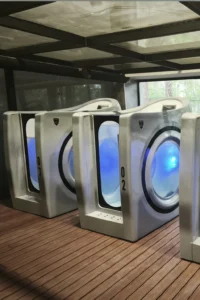
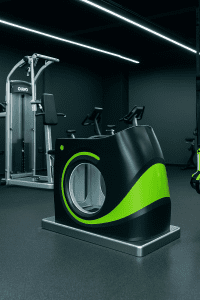
For this reason, the Faryal water treadmill is designed so that the water for each individual is filtered and sterilized separately, ensuring the highest level of hygiene and safety.
Key Factors in Choosing a Standard Aquatic Treadmill
1. Water filtration and sterilization system; the most important factor in an underwater treadmill.
The most significant difference between a professional underwater treadmill and inferior models lies in the water filtration and sterilization system. If filtration is not performed correctly:
- The water loses its clarity.
- An unpleasant odor spreads through the air.
- The likelihood of bacterial, fungal, and viral growth increases.
- The user will not feel secure or comfortable.
A standard underwater treadmill should utilize a combination of mechanical filtration and a powerful sterilization system—such as ozone—to ensure the water is ready for the next user in the shortest possible time.
2. Pump power and water circulation quality
The pump has a dual role: both for water circulation and filtration and, if needed, to create a resistive flow in the pond. A weak pump causes:
- Reduced quality of treadmill training in water
- Increased sanitization and preparation time between users
- Increased strain on the system and reduced component lifespan.
In units such as the Faryal underwater treadmill, the pump's power and type are selected based on whether the intended use is clinical, commercial (gym), or personal, ensuring that the machine’s performance does not degrade during continuous operation.
3. Body materials and build quality
Since the body of an underwater treadmill is in constant contact with water, the type of material used directly affects the machine's lifespan, rust resistance, and maintenance costs.
The best choices for a professional underwater treadmill:
- Use of 304 or 316 stainless steel
- Anti-slip flooring with high safety standards
- Unbreakable transparent panels for better visibility for the physiotherapist or trainer.
- Suitable insulation for reducing heat loss and energy consumption.
4. Smart features and controllable settings
A modern underwater treadmill should not merely be a conveyor belt in water; rather, it should be a smart platform for hydrotherapy and weight loss.
Some essential features of the smart aquatic treadmill:
- Adjusting water height based on height and treatment plan.
- Adjusting the treadmill's speed and—if applicable—incline.
- Adjusting water temperature according to the goal (recovery, hydrotherapy, weight loss)
- Side massage jets for more advanced exercises
- Touchscreen with a simple menu—in Persian, if possible.
- Pre-defined protocols for physiotherapy, weight loss, and athlete training.
5. Energy consumption and maintenance costs
In clinics and health clubs where the equipment operates for most of the day, selecting an underwater treadmill equipped with an energy-efficient motor and pump, proper insulation, and an optimized filtration system can make a significant difference in monthly costs.
The more intelligently and compactly the water filtration and circulation system is designed, the lower the costs for chemicals and electricity will be.
Comparison of Water Treatment Systems in Underwater Treadmills: Chlorine, Ozone, and Salt Chlorinators
Three main methods are typically considered for treating the water in an underwater treadmill: chlorine, ozone, and salt chlorinators. The conditions for an underwater treadmill differ from those of a public pool because:
- The volume of water is smaller.
- The usage cycle is shorter and operates on a person-to-person basis.
- Users have high expectations for water that is clear, odorless, and non-irritating.
1. Chlorine treatment
Advantages:
- Low initial cost
- Market availability
- Effective disinfecting action in large swimming pools
Disadvantages:
- Strong, unpleasant smell of chlorine
- Potential for skin and eye dryness and irritation.
- Chlorine residue remaining on the skin and hair after a workout
- Unsuitable for devices with high consumption and individual usage.
- Increased likelihood of corrosion of metal parts over time.
Conclusion: Although chlorine is common for public swimming pools, it is not considered suitable or premium for professional underwater treadmills.
2. Ozone System (Ozone Generator)
Ozone is a gas with very high oxidizing power that can destroy bacteria, viruses, and fungi in a short time. For this reason, ozone is used as the core sterilizing agent in many modern purification systems.
Advantages:
- Very high disinfecting power in a short time
- Does not produce unpleasant odor or taste.
- No chemical residue remaining on the user's skin
- Suitable for sensitive skin and clinical settings.
- Reduction in the consumption of auxiliary chemicals
Disadvantages:
- Need for a high-quality ozone generator
- Slightly higher initial cost compared to chlorine.
Conclusion: Ozone is the best purification system for modern, luxury underwater treadmills. For this reason, the Faryal underwater treadmill employs a combination of an ozonizer and a professional filtration system, ensuring that the water for each user:
- It must be completely sterile and transparent,
- It should not have any unpleasant odor,
- The risk of skin sensitivity is minimized.
3. Salt Chlorinator
In a salt chlorination system, a specific amount of salt is added to the water, and the device produces "softer" chlorine through electrolysis.
Advantages:
- Significant reduction in strong odor compared to industrial chlorine.
- Better water quality compared to direct chlorination
- An experience closer to saltwater pools
Disadvantages:
- Chlorine continues to be produced in the water.
- It may cause skin sensitivity in some people.
- It is designed more for permanent pools than for small ponds with rapid turnover.
- Possibility of salt deposit formation on components over time.
Conclusion: A salt chlorinator is superior to standard chlorine, but it is not the ideal choice for an aqua treadmill designed with a luxury, therapeutic, and personalized approach.
Comparison of Water Treatment Methods
| Disadvantages | Suitable for|||
|---|---|---|---|
| Chlorine | Low cost | , commonStrong odor, skin sensitivity, skin dryness | Public | pools
| Salt chlorinator | Gentler than chlorine | Chlorine gas production → hazard in enclosed spaces | Residential pools with adequate ventilation |
| Ozone | 300 times more powerfuldisinfectant | , odorless, suitable for individual use Requires aspecialized | , precision systemUnderwater treadmills and rehabilitation centers |
Key Conclusion: Due to the compact cabin space of the underwater treadmill and the requirement for individual disinfection, the ozone system is the only fully standard and safe method.
Conclusion: The best choice for water filtration in the Faryal aquatic treadmill.
When choosing an underwater treadmill, be sure to ask the seller these three key questions:
- What is the device's water purification system? Does it use chlorine or ozone?
- What are the materials used for the body and the tank, and how resistant are they to corrosion?
- What smart features does the device have for adjusting water temperature, water level, and treadmill speed?
If you are looking for a professional, safe, and luxurious choice for a clinic, gym, or private villa, you can opt for the various models of Faryal underwater treadmills, which feature an ozone filtration system, a durable body, and a fully intelligent control system.
Frequently Asked Questions About Choosing an Underwater Treadmill and Water Filtration System
What is the best filtration system for an underwater treadmill?
For underwater treadmills, the best filtration system based on modern standards is ozone; this is because it sterilizes the water quickly, without odor or skin irritation, making it highly suitable for use by different individuals.
Is the use of chlorine in an underwater treadmill appropriate?
While chlorine can disinfect water, it is not a suitable choice for underwater treadmills—where the user is in close proximity to a limited volume of water—due to its strong odor, potential to irritate the skin and eyes, and tendency to linger on the skin.
How does a salt chlorine generator differ from ozone?
In a salt chlorinator, chlorine is still produced in the water—though it is milder than industrial chlorine—whereas an ozone system sterilizes the water without leaving chemical residues, making it more suitable for sensitive skin and therapeutic environments.
What factors should be considered when selecting an underwater treadmill for a physiotherapy clinic?
For clinics, in addition to water purification quality, you should consider the standard of the unit's casing, smart controls, pre-set treatment programs, and energy consumption to ensure the device is safe for patients while remaining cost-effective and reliable for the facility.